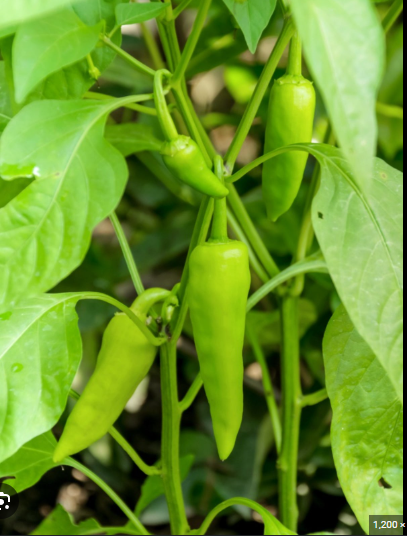
Pruning your banana peppers might feel counterintuitive — why cut off a plant that's growing just fine? But a little strategic trimming early in the season pays off big come harvest time. Here's what works in Zone 8a.
Why prune at all?
Left unpruned, banana pepper plants put energy into producing dozens of small fruits rather than fewer, bigger, more flavorful ones. Pruning also improves airflow through the plant, which is critical in our humid Georgia summers where fungal disease spreads fast.
When to start
Wait until your plants are 8–12 inches tall and have developed their first Y-shaped fork — the main stem splitting into two branches. That fork is called the crown. Everything below it is fair game to remove.
What to remove
Remove any suckers growing below the crown — these are the small shoots that sprout from the leaf axils on the lower stem. They drain energy without contributing to fruit production. Use clean, sharp scissors or pruning snips. Pinch or cut flush with the main stem.
Also remove any yellowing or damaged leaves throughout the season. If the plant gets very bushy mid-summer, thin the interior a bit to let light and air reach the center.
The first flower trick
Many growers remove the very first flower bud that appears before the plant has branched well. It sounds wasteful, but it signals the plant to focus on building stronger roots and more branching rather than rushing to fruit. You'll get more peppers total.
How often
Check your plants weekly. A quick five-minute walk down the row pulling suckers and yellowed leaves makes a noticeable difference by mid-July. Stop heavy pruning once temperatures push above 90°F — heat-stressed plants need every leaf they have.
Zone 8a timing
In Northwest Georgia, banana peppers typically go in the ground in late March to mid-April. Start watching for suckers by May. The window for the most impactful pruning is May through June. By July your plants should be well-branched and loaded with fruit without much intervention needed.
Comments (0)